Underground Plumbing in Broward County Condominiums: Warning Signs Every Board Should Watch For
Learn the warning signs of underground plumbing failure in Broward County condos, including cast iron pipe deterioration, backups, leaks, and costly repairs.
Underground Plumbing in Broward County Condominiums: Warning Signs Every Board Should Watch For
By HBJ Owner Rep
For many condominium and homeowner associations throughout Broward County, underground plumbing systems are one of the most overlooked and potentially expensive components of a property. Unlike roofs, balconies, or exterior paint, underground sanitary lines remain hidden beneath concrete slabs, parking lots, landscaping, and buildings. Because they are out of sight, problems often go unnoticed until they become major emergencies.
With many Broward County communities now approaching 40, 50, and even 60 years of age, aging underground plumbing infrastructure is becoming a growing concern. Small issues that are ignored today can lead to costly repairs, resident disruptions, insurance claims, and unexpected special assessments tomorrow.
Here are some of the most important warning signs and risk factors association boards should be watching for.
Frequent Drain Backups
One of the earliest indicators of underground plumbing failure is recurring drain backups.
If residents frequently report:
Slow-draining sinks
Gurgling toilets
Sewer odors
Water backing up into tubs or showers
Multiple stack blockages
the issue may extend beyond a simple clog.
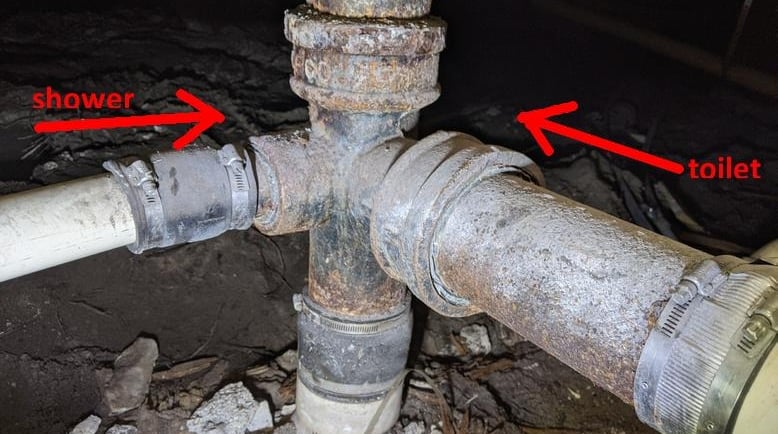
Many older Broward condominium communities were constructed with cast iron sanitary piping. Over decades, these pipes can corrode internally, reducing flow capacity and allowing waste to accumulate.
While occasional blockages can occur in any system, repeated backups in multiple locations often suggest a larger underground problem.
Cast Iron Pipe Deterioration
Cast iron plumbing systems were commonly installed throughout South Florida from the 1950s through the 1980s.
Although durable when new, cast iron pipes are susceptible to:
Internal corrosion
Scale buildup
Channel rot
Cracking
Joint separation
As deterioration progresses, wastewater flow becomes restricted and structural integrity decreases.
Many Broward associations are discovering that pipes originally designed to last several decades are now reaching the end of their useful life.
Sinkholes and Depressions in Landscaping
Underground plumbing leaks can gradually erode soil beneath landscaped areas, sidewalks, parking lots, and building slabs.
Boards should monitor for:
Unusual depressions in grass areas
Settling pavement
Cracked sidewalks
Sinkhole-like conditions
Areas that remain wet long after rainfall
These signs may indicate that leaking sanitary lines are washing away supporting soil beneath the surface.
Ignoring these warning signs can result in much larger structural concerns and significantly higher repair costs.
Unexplained Sewer Odors
Persistent sewer odors should never be ignored.
While odors can originate from dry traps or venting issues, they may also indicate:
Broken underground sanitary lines
Cracked pipe sections
Failed joints
Wastewater leaks beneath buildings
If residents consistently report foul smells near specific buildings, parking areas, or landscaping zones, further investigation may be warranted.
Odors often provide early warning of problems before visible damage occurs.
High Maintenance Costs
Many associations unknowingly spend thousands of dollars annually responding to recurring plumbing emergencies.
Common expenses include:
Emergency drain cleaning
Hydro jetting
Camera inspections
Plumbing service calls
Temporary repairs
When a community experiences repeated plumbing service calls throughout the year, it may be more cost-effective to evaluate the overall condition of the underground system rather than continuing to address symptoms.
A long-term rehabilitation plan can often provide greater value than ongoing reactive maintenance.
Camera Inspections and Condition Assessments
One of the most valuable tools available today is video pipe inspection.
Modern camera technology allows professionals to inspect underground piping and identify:
Cracks
Corrosion
Root intrusion
Offsets
Blockages
Pipe collapses
Boards should consider establishing baseline inspections, particularly in communities constructed before 1985.
Having accurate condition data helps associations make informed budgeting decisions and avoid surprises during reserve planning.
Infiltration and Groundwater Concerns
South Florida’s high water table creates additional challenges for aging plumbing systems.
Broken or deteriorated underground pipes can allow groundwater to enter the sanitary system.
This condition, commonly referred to as infiltration, can:
Overload plumbing systems
Increase utility expenses
Accelerate pipe deterioration
Create maintenance concerns
Communities located near waterways or coastal areas may face elevated risks due to soil conditions and groundwater pressures.
Understanding Repair Options
When underground plumbing issues are discovered, boards should understand that replacement is not always the only option.
Potential solutions may include:
Spot repairs
Pipe lining systems
Pipe bursting
Partial replacement
Complete system replacement
Each option carries different costs, benefits, and long-term considerations.
The appropriate solution depends on the condition of the system, accessibility, age, and future maintenance objectives.
Boards should ensure they receive independent evaluations and fully understand the scope before committing to major construction projects.
Planning Before an Emergency Occurs
One of the biggest mistakes associations make is waiting until a catastrophic failure occurs before taking action.
Emergency plumbing repairs often result in:
Higher contractor costs
Resident disruptions
Water damage claims
Budget overruns
Unplanned special assessments
A proactive approach allows boards to:
Budget appropriately
Coordinate financing options
Obtain multiple proposals
Evaluate repair alternatives
Schedule work strategically
Proper planning often reduces both project costs and community disruption.
Protecting the Association’s Investment
Underground plumbing is one of the most critical infrastructure systems in any condominium community. While these systems remain hidden from view, their condition can have a major impact on property values, resident satisfaction, and long-term financial stability.
For Broward County associations, especially those approaching major milestone inspections and aging infrastructure concerns, understanding the condition of underground plumbing should be part of a comprehensive asset management strategy.
Before committing to costly repairs or replacement projects, boards should ensure they understand the true condition of the system, the available options, and the potential risks associated with delaying action.
HBJ Owner Rep helps condominium associations, self-managed communities, and property owners review construction proposals, coordinate project information, and provide independent oversight during capital improvement projects.
Disclaimer: HBJ Owner Rep is not a licensed engineering firm and does not provide engineering or legal advice. Associations should consult qualified licensed professionals regarding plumbing design, engineering evaluations, and legal matters.